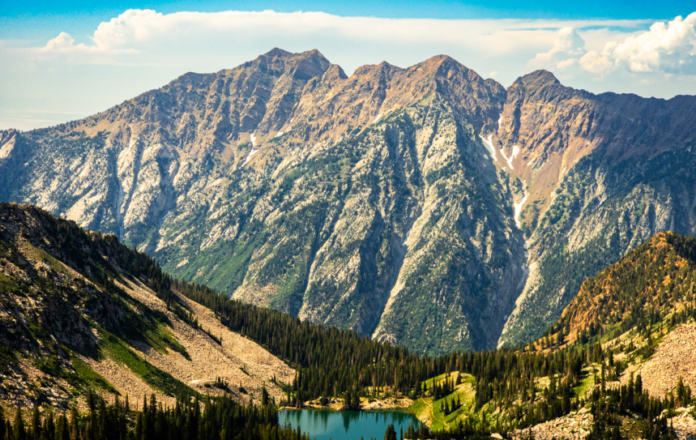
Salt Lake City is one of the best outdoor cities in the United States. Located directly beside the Wasatch Mountains, the city provides quick access to some of the most impressive hiking trails in Utah.
Within a short drive from downtown, hikers can experience everything from easy alpine lake walks to demanding summit climbs with thousands of feet of elevation gain. The Wasatch Mountains offer incredible scenery, including mountain lakes, forested valleys, dramatic ridgelines, and high-altitude peaks.
However, choosing the right hike can be challenging. With millions of visitors and locals exploring the area every year, many popular trails have become crowded, while equally beautiful routes remain less known.
This guide highlights some of the best hikes in the Salt Lake City Wasatch Mountains, including classic destinations and hidden gems. Whether you are a beginner looking for a scenic day hike or an experienced adventurer searching for a challenging summit, there is a trail here for every type of outdoor enthusiast.
Why Hike the Wasatch Mountains?
The Wasatch Mountains are famous for their accessibility and variety. Unlike many mountain regions that require long drives or remote approaches, many of the best hiking trails near Salt Lake City can be reached in less than an hour.
The area offers four-season outdoor opportunities:
- Spring and summer provide access to alpine lakes, wildflowers, and high mountain trails.
- Fall brings cooler temperatures and colorful forests.
- Winter creates opportunities for snowshoeing and backcountry adventures.
Some hikers visit the Wasatch Mountains for quick after-work adventures, while others spend entire weekends exploring the region’s highest peaks.
The combination of dramatic scenery, challenging terrain, and easy access makes the Wasatch one of the best hiking destinations in the western United States.
Hiking Safety and Preparation
Although these trails are close to Salt Lake City, the Wasatch Mountains are still a rugged alpine environment. Proper preparation is essential for a safe and enjoyable experience.
Bring Enough Water
Many trails have limited water sources, especially during the hot summer months. Exposed routes can become extremely warm, and hikers should carry enough water for the entire trip.
Electrolytes or salty snacks can also help maintain proper hydration during longer hikes.
Check Weather Conditions
Mountain weather can change quickly. Temperatures at higher elevations may be much colder than in the city, even during summer.
Before heading out:
- Check the forecast
- Prepare for sudden temperature changes
- Bring extra layers
- Avoid exposed ridges during storms
Prepare for Navigation
Some trails are well-marked, while others include unofficial routes or difficult sections where navigation skills are helpful.
Downloading offline maps before your hike is recommended, especially for longer routes.
Respect Wildlife
The Wasatch Mountains are home to many animals, including moose and snakes. Keep a safe distance from wildlife and avoid approaching animals for photos.
1. Cecret Lake and Sugarloaf Mountain
Cecret Lake
- Distance: 1.6 miles round trip
- Elevation gain: 466 feet
Sugarloaf Mountain
- Distance: 3.6 miles round trip
- Elevation gain: 1,633 feet
Cecret Lake is one of the most popular beginner-friendly hikes near Salt Lake City, and it is easy to understand why.
The short trail leads through beautiful alpine scenery before reaching a clear mountain lake surrounded by dramatic peaks. The combination of easy access, cool mountain temperatures, and scenic views makes this route ideal for families, beginners, and visitors who want a quick introduction to the Wasatch Mountains.
Because of its popularity, the trail can become crowded during weekends and peak summer days. Hiking early in the morning or visiting during weekdays provides a quieter experience.
For those wanting more challenge, the route can be extended to Sugarloaf Mountain. The climb adds elevation but rewards hikers with wide views across the surrounding mountain range.
From the summit, hikers can see:
- High Wasatch peaks
- Mountain valleys
- The Salt Lake City area
- Surrounding alpine landscapes
Cecret Lake is an excellent choice for beginners, while Sugarloaf Mountain provides a more rewarding adventure without requiring a full-day commitment.
2. Broads Fork Trail
Distance: 4.6 miles round trip
Elevation gain: 2,119 feet
Broads Fork is a perfect example of a beautiful Wasatch Mountain hike that receives far fewer visitors than nearby famous trails.
Located near the popular Lake Blanche area, Broads Fork offers similar alpine scenery with significantly fewer crowds. The trail begins in a forested canyon before gradually climbing toward a spectacular alpine meadow surrounded by towering peaks.
One of the highlights of this hike is the dramatic change in scenery. Much of the lower trail travels through shaded forest, creating a peaceful atmosphere. As hikers reach higher elevations, the landscape suddenly opens into a wide alpine basin with impressive mountain views.
The final meadow provides a spectacular destination, especially during summer when wildflowers cover the area.
This trail is best suited for hikers looking for:
- A quieter mountain experience
- A challenging climb
- Beautiful alpine scenery
- Fewer crowds than popular routes
Because of steep terrain and winter conditions, hikers should carefully check trail conditions before visiting during colder months.
3. Mount Timpanogos
Distance:
- Timpooneke Trailhead: 14 miles round trip
- Aspen Grove Trailhead: 13.7 miles round trip
Elevation gain:
- Timpooneke: 4,397 feet
- Aspen Grove: 4,854 feet
Mount Timpanogos is one of Utah’s most iconic mountain hikes and one of the most rewarding summit experiences near Salt Lake City.
Standing at 11,752 feet, the mountain offers incredible views of alpine meadows, rugged peaks, and surrounding valleys.
The Timpooneke route is the most popular approach because of its beautiful scenery and well-maintained trail. The path climbs through forests before reaching open alpine terrain filled with wildflowers during summer.
The Aspen Grove route provides an alternative experience with fewer crowds in many conditions, although it involves additional elevation gain.
Reaching the summit requires endurance, but hikers are rewarded with some of the best mountain views in Utah.
Important preparation:
- Start early to avoid afternoon heat
- Carry enough water
- Bring extra layers
- Prepare for changing weather conditions
Mount Timpanogos is best for experienced hikers looking for a challenging but unforgettable Wasatch Mountain adventure.
4. Mount Olympus
Distance: 6.8 miles round trip
Elevation gain: 4,210 feet
Mount Olympus is one of the most recognizable peaks in the Salt Lake City area. Rising dramatically above the surrounding neighborhoods, this mountain offers one of the most challenging and rewarding hikes close to the city.
Although the trailhead is only a short drive from downtown, the hike feels like a true mountain adventure. The route climbs steeply through forest before reaching rocky terrain and exposed sections near the summit.
The biggest challenge of Mount Olympus is the elevation gain. With more than 4,000 feet of climbing in a relatively short distance, hikers should be prepared for a demanding uphill climb.
The upper section includes a rocky scramble that requires careful movement and confidence on steep terrain. While technical climbing skills are not required, hikers should be comfortable with exposure and uneven surfaces.
The summit provides incredible views of:
- Salt Lake Valley
- The Wasatch Mountain Range
- Nearby peaks and ridgelines
Because of its steep nature and limited shade, this hike is best completed with an early start, especially during summer.
Mount Olympus is ideal for experienced hikers looking for a challenging half-day adventure with one of the best viewpoints near Salt Lake City.
5. Cardiff Peak, Mount Superior, and Monte Cristo
Cardiff Peak
- Distance: 2.8 miles round trip
- Elevation gain: 1,618 feet
Mount Superior
- Distance: 4.5 miles round trip
- Elevation gain: 2,682 feet
Monte Cristo
- Distance: 5 miles round trip
- Elevation gain: 2,835 feet
The ridgeline between the Cottonwood Canyons contains some of the most impressive mountain scenery in the Wasatch Range.
This route connects several high-elevation peaks, including Cardiff Peak, Mount Superior, and Monte Cristo. Each summit offers increasingly impressive views of the surrounding mountains.
Cardiff Peak is the easiest option and provides excellent scenery with a relatively short climb. From the summit, hikers can enjoy views across Little Cottonwood Canyon and the surrounding alpine landscape.
Continuing toward Mount Superior adds more challenge. The route includes steeper sections and some exposed scrambling, requiring careful footing and confidence on rocky terrain.
Monte Cristo provides the highest viewpoint of the three peaks and rewards hikers with expansive views in every direction.
This hike is best for:
- Experienced hikers
- Visitors looking for alpine scenery
- Those comfortable with rocky terrain
Because there are limited water sources along the route, hikers should carry enough water before starting.
6. White Pine Trail
Distance: 10.2 miles round trip
Elevation gain: 2,744 feet
White Pine Trail offers one of the best combinations of accessibility and wilderness scenery in the Wasatch Mountains.
Located in Little Cottonwood Canyon, the trail begins near a popular area but quickly becomes quieter as hikers move deeper into the canyon.
The route follows a wide trail through forests before opening into a spectacular alpine environment surrounded by steep mountain peaks.
The final destination, White Pine Lake, is the highlight of the hike. The lake sits below dramatic mountain walls and provides a peaceful setting that feels much more remote than its location suggests.
One of the reasons White Pine is special is the variety of landscapes along the route:
- Forested trails
- Mountain streams
- Alpine meadows
- High-elevation views
Many visitors only hike the first section of the trail, so continuing farther provides a more peaceful experience.
White Pine is a great choice for hikers who want a longer adventure without the technical difficulty of a major summit climb.
7. Red Pine Lake and Pfeifferhorn
Red Pine Lake
- Distance: 7.2 miles round trip
- Elevation gain: 2,070 feet
Pfeifferhorn
- Distance: 10.1 miles round trip
- Elevation gain: 3,820 feet
Red Pine Lake is one of the most scenic alpine destinations in the Wasatch Mountains.
The trail climbs through forest before reaching a beautiful mountain basin surrounded by dramatic peaks. The lake itself provides a perfect destination for hikers who want a rewarding adventure without attempting a difficult summit.
For experienced hikers, the route can be extended to Pfeifferhorn, one of the most impressive peaks in the Wasatch Range.
The climb beyond Red Pine Lake becomes much more challenging, including steep sections and exposed terrain. However, hikers who reach the summit are rewarded with unforgettable panoramic views.
From the top, visitors can see:
- Surrounding Wasatch peaks
- Alpine valleys
- Mountain ridges stretching across Utah
The Pfeifferhorn route requires stronger hiking ability and good preparation. Proper footwear, navigation skills, and experience with steep terrain are highly recommended.
For many experienced hikers, this is one of the most memorable summit adventures near Salt Lake City.
8. Lone Peak
Distance: 15.5 miles round trip
Elevation gain: 5,610 feet
Lone Peak is one of the most challenging and iconic hikes in the Wasatch Mountains.
Visible from much of the Salt Lake Valley, this massive mountain dominates the southern skyline. The hike to the summit requires significant endurance, elevation gain, and mountain experience.
The lower section of the trail climbs steeply through dry forest terrain before reaching higher alpine landscapes. As hikers gain elevation, the scenery becomes increasingly dramatic, with open views of surrounding peaks and valleys.
Near the summit, the route becomes more technical, including exposed scrambling sections. While the climbing itself is not extremely difficult, the exposure requires confidence and careful movement.
The reward is one of the finest summit views in Utah.
From Lone Peak, hikers can enjoy:
- Wide views across the Wasatch Range
- Salt Lake Valley scenery
- High alpine landscapes
- A true wilderness feeling despite being near the city
Due to the length and difficulty, Lone Peak should only be attempted by experienced hikers who are prepared for a long mountain day.
Important preparation includes:
- Starting early
- Carrying plenty of water
- Bringing navigation tools
- Checking weather conditions
Lone Peak represents the ultimate Wasatch Mountain challenge and is one of the most rewarding hiking experiences near Salt Lake City.
Choosing the Best Wasatch Mountain Hike
The Wasatch Mountains offer some of the best hiking opportunities in Utah, with trails suitable for every experience level.
For beginners and families:
- Cecret Lake
- Sugarloaf Mountain
For moderate adventures:
- Broads Fork
- White Pine Trail
- Red Pine Lake
For experienced hikers seeking major challenges:
- Mount Timpanogos
- Mount Olympus
- Pfeifferhorn
- Lone Peak
No matter which trail you choose, the Wasatch Mountains provide unforgettable scenery, challenging terrain, and a true connection with the outdoors.
With proper preparation and respect for the environment, these trails offer some of the best hiking experiences near Salt Lake City.