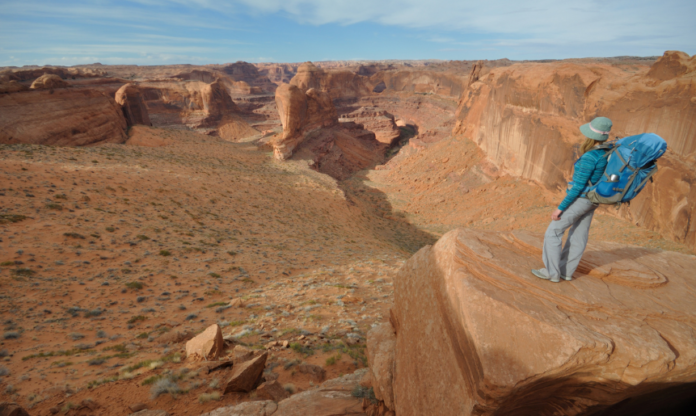
The American Southwest is one of the best places in the country to experience backpacking for the first time.
With its towering sandstone cliffs, deep canyons, desert rivers, natural arches, and dramatic landscapes, the region offers some of the most unforgettable outdoor adventures in North America.
However, many beginners hesitate before planning their first Southwest backpacking trip.
Questions often come up:
- How difficult are desert backpacking routes?
- How much water should you carry?
- Are the trails easy to follow?
- Which destinations are suitable for beginners?
- Can families enjoy these adventures?
The good news is that the Southwest offers many beginner-friendly backpacking routes that provide incredible scenery without requiring advanced wilderness skills.
The best beginner trips usually combine:
- Well-established trails
- Reliable access
- Manageable distances
- Beautiful campsites
- Unique landscapes
From the massive depths of the Grand Canyon to the narrow sandstone walls of Zion, these backpacking routes provide the perfect introduction to desert adventure.
Why Choose the Southwest for Your First Backpacking Trip?
The Southwest offers a unique combination of accessibility and adventure.
Unlike remote mountain wilderness areas that may require complicated planning, many desert backpacking destinations are located near major national parks and developed areas.
Beginner-friendly Southwest routes often feature:
Incredible Scenery
Few places compare with the Southwest’s landscape.
Hikers can experience:
- Red rock canyons
- Desert waterfalls
- Ancient geological formations
- Natural arches
- Wide-open desert views
Easier Navigation
Many popular routes have:
- Established trails
- Clear landmarks
- Frequent hikers
- Detailed maps
This makes them excellent choices for people learning backpacking skills.
Multiple Difficulty Options
The Southwest offers everything from:
- Overnight beginner trips
- Weekend adventures
- Multi-day wilderness routes
You can gradually build experience before attempting longer and more remote journeys.
1. Grand Canyon Corridor Trails
Location: Grand Canyon National Park, Arizona
The Grand Canyon is one of the most famous landscapes on Earth, but backpacking inside the canyon can feel intimidating for beginners.
The extreme depth, dry climate, and steep elevation changes create challenges that require careful preparation.
Fortunately, the park’s Corridor Trails are designed to provide safer and more accessible backpacking experiences.
The main routes include:
- Bright Angel Trail
- South Kaibab Trail
- North Kaibab Trail
These trails offer:
- Maintained paths
- Established campsites
- Reliable water sources
- Multiple distance options
Beginners can choose shorter overnight adventures or attempt longer routes such as a rim-to-rim journey.
One of the biggest advantages of the Corridor Trails is flexibility.
New backpackers can experience the canyon without committing to extremely remote conditions.
However, hikers should remember that descending into the Grand Canyon is only half the challenge. The return climb can be physically demanding, especially during warmer months.
Proper hydration, pacing, and preparation are essential.
For beginners looking for a legendary first backpacking trip, the Grand Canyon remains one of the best choices in the Southwest.
2. The Narrows — Zion National Park
Location: Zion National Park, Utah
Distance: Approximately 16 miles round trip
Difficulty: Moderate
The Narrows is one of the most famous backpacking adventures in the American Southwest.
Located inside Zion National Park, this unique route follows the Virgin River through a canyon where towering sandstone walls rise hundreds of feet above the water.
Unlike traditional hiking trails, much of the journey takes place directly in the river.
Hikers move through:
- Cool flowing water
- Narrow canyon passages
- Smooth river rocks
- Dramatic sandstone landscapes
The scenery changes constantly as the canyon becomes narrower, creating an unforgettable wilderness experience.
The route is especially popular because it feels completely different from ordinary hiking trails. Instead of walking beside a canyon, hikers become part of the canyon environment.
However, The Narrows requires careful preparation.
Important considerations include:
- Water levels can change quickly
- Flash floods are a serious danger
- River walking is physically demanding
- Temperatures can be cold depending on the season
Although the elevation gain is minimal, walking on uneven river rocks for many hours requires more effort than many beginners expect.
For first-time backpackers who want a truly unique adventure, The Narrows offers one of the most memorable introductions to desert hiking.
3. The Needles District — Canyonlands National Park
Location: Canyonlands National Park, Utah
The Needles District of Canyonlands National Park is one of the best beginner backpacking destinations in the Southwest.
Unlike deeper canyon systems that require major elevation changes, The Needles offers a network of trails across a high desert plateau with relatively manageable climbs.
The landscape is famous for its colorful sandstone formations, including tall rock spires that create a landscape unlike anywhere else.
Backpackers can explore routes through:
- Chesler Park
- Squaw Canyon
- Lost Canyon
- Big Spring Canyon
The area provides an ideal combination of adventure and accessibility.
Beginners can enjoy:
- Clear trail systems
- Incredible scenery
- Quiet campsites
- Flexible route options
One of the biggest advantages of The Needles is that hikers can experience a true wilderness environment without extremely difficult terrain.
The geological formations constantly change throughout the journey, with red rock towers, open desert landscapes, and hidden canyons creating new views around every corner.
Water availability is limited, so careful planning is important. Backpackers should research current conditions and carry enough water for their route.
For those looking to move beyond day hikes and experience their first desert backpacking trip, The Needles is an excellent choice.
4. Coyote Gulch — Grand Staircase-Escalante Region
Location: Southern Utah
Coyote Gulch is often considered one of the best beginner backpacking trips in the American Southwest.
This spectacular canyon combines many of the landscapes people imagine when thinking about Utah:
- Red sandstone cliffs
- Natural arches
- Desert streams
- Hidden canyon passages
The route offers an impressive adventure while remaining relatively accessible for newer backpackers.
A typical trip covers around 15 miles over several days, making it a perfect weekend backpacking destination.
One of the reasons Coyote Gulch is beginner-friendly is the presence of a flowing stream through much of the canyon.
This provides a rare advantage in the desert environment, where water planning is usually one of the biggest challenges.
Highlights include:
Jacob Hamblin Arch
One of the most recognizable features in the canyon, this massive natural arch creates an incredible photo opportunity.
Crack-in-the-Wall Route
A unique passage through sandstone that adds adventure and excitement to the journey.
Canyon Camping
Sleeping beneath towering canyon walls creates an unforgettable outdoor experience.
Although easier than many desert routes, Coyote Gulch still requires preparation.
Hikers should be aware of:
- Route-finding challenges
- Changing water conditions
- Flash flood risks
- Remote surroundings
For beginners who want a true wilderness feeling without extreme difficulty, Coyote Gulch is one of the Southwest’s best introductions to backpacking.
5. Zion Kolob Canyons and West Rim Trail
Location: Zion National Park, Utah
Zion National Park is famous for dramatic cliffs, narrow canyons, and world-class hiking.
While The Narrows receives much of the attention, the park also offers quieter backpacking routes that are excellent for beginners.
The Kolob Canyons and West Rim Trail provide a different side of Zion, featuring:
- Massive red cliffs
- High desert plateaus
- Forested valleys
- Remote backcountry scenery
The Kolob Canyons area is especially appealing because it receives fewer visitors compared with Zion Canyon’s most popular trails.
The route options allow backpackers to choose different trip lengths depending on experience.
Beginners can enjoy shorter overnight adventures, while more experienced hikers can create longer backcountry journeys.
The West Rim Trail provides some of the most impressive views in Zion, with dramatic overlooks across the park’s remote wilderness.
Compared with some desert routes, this area provides:
- Better shade
- Cooler temperatures at elevation
- More traditional hiking terrain
However, water availability can be limited, especially during dry periods, so careful planning is necessary.
For backpackers wanting a quieter Zion experience, Kolob Canyons and West Rim Trail offer incredible scenery with fewer crowds.
6. Capitol Reef Backpacking Adventures
Location: Capitol Reef National Park, Utah
Capitol Reef is often overlooked compared with Utah’s more famous national parks, but it offers some of the most rewarding beginner backpacking opportunities in the region.
The park features:
- Colorful sandstone cliffs
- Deep canyons
- Natural arches
- Remote desert landscapes
Unlike some heavily visited destinations, Capitol Reef often provides a greater sense of solitude.
Popular backpacking areas include:
- Grand Wash
- Cathedral Valley
- Waterpocket Fold region
The Waterpocket Fold is one of the park’s defining geological features, creating a dramatic landscape that stretches for nearly 100 miles.
Backpackers can experience wide-open desert scenery while learning important wilderness skills.
Capitol Reef is especially appealing for beginners who want:
- Fewer crowds
- Flexible routes
- Beautiful campsites
- A quieter desert experience
Because many areas are remote, hikers should prepare carefully with maps, navigation tools, and sufficient water.
For a first Southwest backpacking trip away from major crowds, Capitol Reef is a hidden gem.
7. Bryce Canyon and Surrounding Trails
Location: Bryce Canyon National Park, Utah
Bryce Canyon is famous for its incredible collection of hoodoos — tall, thin rock formations created by millions of years of erosion.
Although many visitors only explore the viewpoints along the canyon rim, the park also offers opportunities for hikers to experience these unique landscapes from below.
Backpacking around Bryce Canyon provides a completely different perspective, allowing travelers to walk among towering rock formations instead of simply viewing them from above.
Popular routes connect:
- Bryce Amphitheater
- Fairyland area
- Rim trails
- Surrounding forest landscapes
The terrain is different from many Southwest destinations because the trails combine:
- High elevation scenery
- Pine forests
- Colorful rock formations
- Cooler mountain temperatures
For beginners, Bryce Canyon is a great place to learn backpacking skills because the environment is less extreme compared with deeper desert canyons.
However, the elevation should not be underestimated. Bryce Canyon sits at a high altitude, and some hikers may notice the thinner air during longer trips.
The best seasons for backpacking in Bryce Canyon are generally spring and fall, when temperatures are comfortable and the trails are easier to manage.
For those looking for a beginner-friendly adventure with unique scenery, Bryce Canyon provides an unforgettable introduction to Southwest landscapes.
How to Prepare for Your First Southwest Backpacking Trip
A successful backpacking trip in the Southwest depends on preparation.
Although many beginner routes are accessible, desert environments create unique challenges that hikers should understand before starting.
1. Plan Your Water Supply
Water is the most important consideration when backpacking in the desert.
Unlike mountain environments where streams and lakes may be common, many Southwest routes have limited water sources.
Before your trip:
- Research current water conditions
- Carry enough capacity
- Bring a reliable filtration system
- Never assume a water source is available
Water planning can determine whether a desert backpacking trip is enjoyable or dangerous.
2. Choose the Right Season
Summer temperatures in the Southwest can become extreme.
Many beginner-friendly routes are best during:
- Spring
- Fall
- Early winter
These seasons usually provide:
- Cooler temperatures
- Better hiking conditions
- More comfortable camping
Always check weather forecasts before departure.
Desert weather can change quickly, and flash floods can occur even when rain is falling many miles away.
3. Pack Essential Gear
A beginner backpacking setup does not need to be complicated, but the right equipment matters.
Important items include:
Backpack
Choose a comfortable backpack with enough space for:
- Shelter
- Sleeping system
- Food
- Water
- Clothing
Navigation Tools
Carry:
- Detailed maps
- GPS device or navigation app
- Backup battery power
Clothing
Desert temperatures can change dramatically between day and night.
Bring:
- Moisture-wicking layers
- Warm nighttime clothing
- Sun protection
- Rain protection
Footwear
Strong hiking shoes or boots are recommended, especially for rocky desert terrain.
Why These Southwest Backpacking Trips Are Perfect for Beginners
The American Southwest provides some of the best opportunities for new backpackers to develop outdoor skills.
These destinations offer the ideal balance:
- Amazing scenery
- Manageable difficulty
- Established routes
- Accessible locations
- Memorable experiences
A first backpacking trip does not need to be the longest or most difficult adventure.
The goal is to build confidence, learn wilderness skills, and enjoy the experience.
Whether you are walking through the depths of the Grand Canyon, following a river through Zion’s Narrows, or camping beneath Utah’s red rock cliffs, these beginner-friendly routes provide the perfect introduction to backpacking.
Final Thoughts: Start Your Southwest Backpacking Adventure
The Southwest is a place where every trail tells a story.
Ancient canyons, towering cliffs, flowing rivers, and desert landscapes create an environment unlike anywhere else in the world.
For beginners, the best backpacking trip is not necessarily the most challenging one. It is the route that matches your experience, preparation, and goals.
Start with a manageable adventure, learn from each trip, and gradually explore more remote landscapes.
With proper planning and respect for the environment, your first Southwest backpacking experience can become the beginning of a lifetime of outdoor adventures.