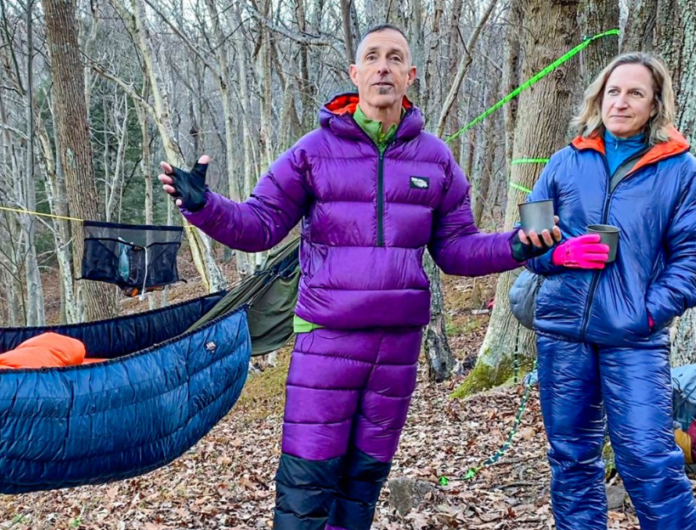
Sleeping Bag Jail: How to Stay Warm and Comfortable Around Camp
After a long day on the trail, there is nothing better than relaxing at camp, cooking dinner, sharing stories, watching the stars, or simply enjoying the quiet of the wilderness.
But when temperatures drop after sunset, many hikers face a common problem: they are forced to crawl into their sleeping bag just to stay warm.
This situation is often called “Sleeping Bag Jail.”
Sleeping Bag Jail happens when your sleeping system is warm enough for sleeping, but your clothing system is not warm enough for staying comfortable outside your shelter. Instead of enjoying your evening at camp, you end up trapped inside your sleeping bag hours before bedtime.
The good news is that this problem is easy to prevent.
With the right combination of insulated clothing, sleeping gear, and layering strategy, you can stay warm around camp, enjoy longer evenings outdoors, and make your backpacking trips much more comfortable.
What Is Sleeping Bag Jail?
Sleeping Bag Jail occurs when your sleeping bag becomes your only source of warmth after the sun goes down.
During warmer summer trips, this may not be a major issue. A lightweight fleece or base layer may be enough to relax around camp. However, during spring, fall, winter, or high-elevation backpacking trips, temperatures can drop quickly after sunset.
Many hikers experience this pattern:
- Arrive at camp after a long hiking day
- Stop moving and immediately feel cold
- Put on all available layers but still feel uncomfortable
- Crawl into the sleeping bag before dinner or before dark
- Spend the evening waiting for bedtime
Although your sleeping bag may keep you warm while sleeping, it is not designed to replace your entire camp clothing system.
A better approach is to think of warmth as a complete system.
Your:
- Sleeping bag or quilt
- Sleeping pad
- Insulated jacket
- Insulated pants
- Warm accessories
all work together to keep you comfortable.
Your Sleeping System Is More Than Just a Sleeping Bag
Many backpackers focus heavily on choosing the warmest sleeping bag possible. While your sleeping bag is important, it is only one part of your overall insulation system.
A properly designed sleep system combines:
1. Sleeping Bag or Quilt
Your sleeping bag provides the main insulation when you are resting overnight.
However, buying an extremely warm sleeping bag is not always the most efficient solution. A slightly lighter sleeping bag combined with warm camp clothing can often provide similar performance with more versatility.
For example:
A 30°F sleeping bag combined with a warm insulated jacket, pants, and an appropriate sleeping pad may comfortably handle colder conditions than the sleeping bag rating alone suggests.
2. Sleeping Pad
Many hikers underestimate the importance of a sleeping pad.
Your body loses a significant amount of heat through the ground, especially when camping in cold conditions. A high-quality insulated sleeping pad can dramatically improve your nighttime comfort.
Upgrading from a lightweight summer sleeping pad to a higher R-value winter pad may provide a bigger warmth improvement than purchasing a heavier sleeping bag.
A warmer sleeping pad helps:
- Reduce heat loss to the ground
- Improve sleeping bag performance
- Increase comfort during cold nights
3. Camp Clothing
Your camp clothing is what keeps you comfortable before bedtime.
A warm insulated jacket and pants allow you to:
- Cook dinner comfortably
- Relax outside your tent
- Spend time with hiking partners
- Enjoy sunrise and sunset
- Avoid going to bed too early
For colder backpacking trips, insulated clothing should be considered part of your sleep system, not an optional luxury.
Why Warm Camp Clothing Matters
Many hikers remember to pack a sleeping bag but forget that they spend several hours awake in camp.
A typical backpacking day may include:
- 8 hours hiking
- 2-4 hours relaxing at camp
- 8 hours sleeping
That means a large portion of your outdoor experience happens when you are not moving.
Once you stop hiking, your body produces much less heat. Even if you were comfortable while walking, you may quickly become cold after setting up camp.
A good camp clothing system helps maintain warmth when your activity level decreases.
The most useful additions are:
Insulated Jacket
A down or synthetic insulated jacket is one of the most valuable pieces of backpacking clothing.
A good camp jacket should provide:
- High warmth-to-weight ratio
- Good compressibility
- Enough room for layering
- Protection from wind
- Comfortable movement
A hooded jacket is especially useful because your head loses heat quickly in cold conditions.
Insulated Pants
Many backpackers invest in insulated jackets but ignore insulated pants.
This is a mistake.
Your legs provide a large surface area for heat loss, especially when sitting still around camp.
Insulated pants can dramatically improve comfort by:
- Keeping your lower body warm
- Improving your sleeping system
- Making cold evenings much more enjoyable
They are especially valuable for:
- High-altitude trips
- Winter camping
- Shoulder-season backpacking
- Long evenings at camp
Warm Camp Footwear
Cold feet can quickly ruin an evening.
After hiking all day, your shoes and socks may be damp from sweat or moisture. Changing into dry socks and warm camp footwear can make a huge difference.
Consider:
- Dry wool socks
- Lightweight insulated booties
- Comfortable camp shoes
Small improvements like these often create a much more enjoyable camping experience.
Down vs Synthetic Insulation for Camp Clothing
Choosing between down and synthetic insulation depends on your environment, budget, and backpacking style.
Down Insulation
Down is popular among backpackers because it provides excellent warmth with minimal weight.
Advantages:
- Excellent warmth-to-weight ratio
- Extremely lightweight
- Highly compressible
- Long lifespan when properly maintained
- Ideal for cold and dry environments
Disadvantages:
- More expensive
- Loses insulation when wet
- Requires more care
For dry mountain environments, down is often the best choice.
Synthetic Insulation
Synthetic insulation has improved significantly in recent years and remains a great option.
Advantages:
- Performs better when wet
- Dries faster
- Usually less expensive
- Easier maintenance
Disadvantages:
- Heavier than down
- Less compressible
- Usually takes more space in your backpack
- May lose performance over time
Synthetic insulation is especially useful for:
- Rainy climates
- Humid environments
- Wet-weather camping
How to Build a Comfortable Camp Clothing System
A practical backpacking warmth system usually includes:
Lightweight Trips
For summer or mild conditions:
- Base layer shirt
- Lightweight fleece
- Wind jacket
- Lightweight sleeping bag
Three-Season Trips
For spring, summer, and fall:
- Moisture-wicking base layer
- Midweight fleece
- Down or synthetic jacket
- Warm hat
- Sleeping bag or quilt
Cold Weather Trips
For winter or high elevations:
- Base layers
- Warm fleece or active insulation
- Heavy insulated jacket
- Insulated pants
- Warm gloves
- Insulated footwear
- Winter-rated sleeping system
The goal is not simply carrying the warmest gear possible. The goal is creating a flexible system where each piece serves multiple purposes.
Common Mistakes That Lead to Sleeping Bag Jail
Mistake 1: Buying a Warmer Sleeping Bag Instead of Better Layers
A warmer sleeping bag helps only when you are sleeping.
A good insulated jacket and pants help:
- Around camp
- Inside your sleeping bag
- During breaks
- In emergencies
They provide much more versatility.
Mistake 2: Ignoring Your Lower Body
Many hikers only bring a jacket and forget their legs.
Cold legs can make your entire body feel uncomfortable.
Adding lightweight insulated pants can transform your cold-weather camping experience.
Mistake 3: Wearing Hiking Clothes Around Camp
Your hiking clothes are designed for movement, not warmth.
After hiking all day:
- Your clothing may be damp
- Your body temperature drops
- Your activity level decreases
Changing into dedicated camp layers helps preserve warmth.
Mistake 4: Choosing Gear Only by Weight
Ultralight gear is valuable, but saving a few ounces is not worth being uncomfortable.
A slightly heavier insulation layer may improve:
- Sleep quality
- Recovery
- Enjoyment
- Safety
The best backpacking system balances weight, warmth, and comfort.
Tips to Stay Warm After Sunset
Here are simple strategies to avoid Sleeping Bag Jail:
Eat a Warm Meal
Your body needs fuel to generate heat. A hot dinner and warm drink can make a noticeable difference.
Put Layers on Before You Get Cold
Do not wait until you are already freezing.
Put on your insulated jacket as soon as you stop hiking.
Keep Moving Lightly
Small movements such as organizing gear, preparing food, or walking around camp help maintain body temperature.
Keep Camp Clothes Dry
Reserve your warm layers for camp and sleeping. Avoid using them for strenuous hiking unless necessary.
Choose Your Campsite Carefully
Wind exposure, shade, and moisture can make temperatures feel much colder.
A sheltered campsite can greatly improve comfort.
Conclusion: Escape Sleeping Bag Jail
Sleeping Bag Jail is one of the easiest backpacking problems to prevent.
Your sleeping bag is only one part of your warmth system. A combination of an insulated jacket, pants, sleeping pad, and proper layering strategy creates a more comfortable and flexible setup.
Instead of hiding inside your sleeping bag as soon as temperatures drop, you can stay outside, enjoy your campsite, and fully experience the wilderness.
For comfortable three-season and cold-weather backpacking, think beyond your sleeping bag.
Build a complete warmth system — and enjoy every hour of your adventure.