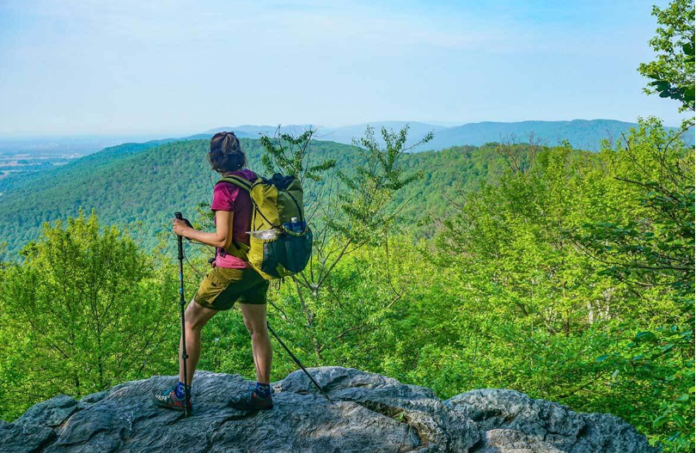
Build the Strength, Stamina, and Confidence to Hike Farther and Carry More
Hiking and backpacking are more than just outdoor activities — they are endurance challenges that require a combination of cardiovascular fitness, muscular strength, balance, and mental preparation.
Many hikers focus heavily on choosing the right gear, planning routes, and packing efficiently, but physical preparation is just as important. A well-trained body allows you to hike longer distances, handle elevation changes more easily, recover faster at camp, and reduce the risk of common trail injuries.
Whether your goal is completing a weekend backpacking trip, hiking a challenging mountain route, or preparing for a long-distance trail, a structured training plan can dramatically improve your experience.
This 12-week hiking training program is designed for people with busy schedules. It combines weekend hiking with short weekday workouts to build the endurance and strength needed for real-world trail conditions.
The focus is simple:
- Walk farther with less fatigue
- Carry a loaded backpack more comfortably
- Improve uphill performance
- Reduce injury risk
- Enjoy more time outdoors
A Simple Weekly Hiking Training Schedule
A balanced hiking training routine should include long hikes, strength work, and endurance conditioning.
A typical week looks like this:
| Day | Training |
|---|---|
| Saturday | Long hiking session |
| Sunday | Rest and recovery |
| Monday | Rest or light mobility |
| Tuesday | Strength training |
| Wednesday | Aerobic endurance training |
| Thursday | Speed hiking or interval training |
| Friday | Rest |
This schedule provides enough training stimulus while allowing your body time to recover.
The most important principle is consistency. A moderate training plan completed regularly is far more effective than occasional intense workouts.
Why Training Matters for Hiking and Backpacking
Many people assume hiking fitness comes naturally from simply going hiking. While time on the trail is important, targeted training helps your body adapt faster.
Backpacking requires several physical abilities working together:
- Aerobic endurance for long distances
- Leg strength for climbing and descending
- Core stability for carrying a pack
- Balance and coordination on uneven terrain
- Recovery ability for multiple days outdoors
A strong aerobic base allows your body to use oxygen efficiently, while strength training improves your ability to carry weight and handle steep terrain.
Training before a major trip also helps you discover weaknesses before they become problems in the backcountry.
For example:
- Knee discomfort during downhill hiking
- Shoulder fatigue from a heavy backpack
- Poor pacing on long climbs
- Lack of endurance late in the day
Identifying these issues during training gives you time to fix them.
The 12-Week Hiking Training Plan
This program is divided into four key training areas:
- Long-distance hiking practice
- Strength endurance training
- Aerobic conditioning
- High-intensity uphill training
Each component improves a different aspect of trail performance.
Saturday: Long Hiking Day
The Most Important Training Session
The best way to train for hiking is to hike.
A weekly long hike teaches your body exactly what it needs to do on the trail.
During this session:
- Hike for several hours
- Maintain a comfortable conversational pace
- Wear the backpack and footwear you plan to use
- Practice your nutrition and hydration strategy
- Gradually increase distance or elevation
The goal is not maximum speed. Instead, focus on building endurance and becoming comfortable spending extended time on your feet.
A good progression:
Beginner hikers
- 3–6 miles
- Less than 2,000 feet elevation gain
Intermediate hikers
- 6–10 miles
- 2,000–4,000 feet elevation gain
Advanced hikers
- 10–20 miles
- 3,000–5,000 feet elevation gain
Experienced endurance hikers
- 20+ miles
- 5,000+ feet elevation gain
Increase distance slowly. Adding too much volume too quickly is one of the fastest ways to develop overuse injuries.
Tuesday: Strength Training for Hiking
Build Stronger Legs for Climbs and Descents
Hiking places repeated stress on your lower body, especially when carrying a loaded backpack.
The strongest hikers are not necessarily the fastest runners — they are often the ones with efficient, durable muscles that can work for hours.
Focus on exercises that mimic hiking movements:
Weighted Reverse Lunges
2–3 sets
15–20 repetitions
Targets:
- Quadriceps
- Glutes
- Hip stability
Reverse lunges help improve downhill control and single-leg strength.
Weighted Step-Ups
2–3 sets
15–20 repetitions
Targets:
- Glutes
- Hamstrings
- Climbing muscles
Step-ups closely replicate the movement of hiking uphill.
Single-Leg Calf Raises
2–3 sets
15–20 repetitions
Targets:
- Calves
- Ankles
- Lower-leg stability
Strong calves help reduce fatigue during long climbs and uneven terrain.
Training Without a Gym
You do not need expensive equipment to prepare for hiking.
A loaded backpack can replace traditional weights.
Try:
- Filling your pack with water bottles
- Adding books or household items
- Wearing your hiking pack during step-ups or walking workouts
The goal is to train your body for the weight you will actually carry outdoors.
Wednesday: Aerobic Endurance Training
Build the Engine That Keeps You Moving
Aerobic fitness is one of the most important factors affecting hiking performance.
A strong aerobic system allows your body to use oxygen efficiently, conserve energy, and maintain a steady pace over long distances.
For backpackers, this means:
- Less exhaustion during long hiking days
- Faster recovery at camp
- Better performance on climbs
- More energy to enjoy the scenery
Your aerobic training should feel sustainable rather than exhausting.
Weekly Aerobic Workout
Duration:
30–60 minutes
Intensity:
Moderate pace where you can still hold a conversation
Good options include:
- Hiking with a backpack
- Trail walking
- Running
- Cycling
- Stair climbing
The goal is to spend more time improving endurance, not constantly pushing maximum effort.
Understanding Your Aerobic Training Zone
Many hikers make the mistake of training too hard.
For endurance development, most sessions should happen at a comfortable pace.
A simple test:
- If you can speak in complete sentences, you are likely training at the right intensity.
- If you can only say a few words at a time, slow down.
This lower-intensity training improves your body’s ability to use stored energy efficiently, which is especially valuable during long backpacking trips.
Thursday: Speed Hiking and Interval Training
Improve Your Ability to Handle Steep Terrain
While most hiking is done at a steady pace, challenging trails often include steep climbs where your heart rate rises quickly.
Interval training helps your body handle these demanding sections.
This type of workout is most useful for:
- Experienced hikers
- Mountain routes
- Long-distance trails with significant elevation gain
Beginners can replace this workout with another aerobic session.
Example Hill Interval Workout
Choose a hill, staircase, or incline.
Repeat:
- 2–4 minutes of hard uphill effort
- 2–4 minutes of recovery
- Repeat 4–8 times
During the hard effort:
- Breathing should be heavy
- Conversation should be difficult
- Effort should feel challenging but controlled
Possible exercises:
- Uphill hiking with a backpack
- Fast stair climbing
- Hill running
- Stationary bike intervals
Customize Your Training Based on Experience Level
Not every hiker needs the same training intensity.
Your program should match your current ability and hiking goals.
Beginner Hikers
Recommended focus:
- Long hikes
- Basic strength training
- Comfortable aerobic sessions
Avoid excessive high-intensity workouts early on.
The goal is building consistency and creating a strong foundation.
Intermediate Hikers
Focus on:
- Longer weekend hikes
- Increasing elevation gain
- Improving hiking pace
- Adding more structured strength workouts
This level is ideal for preparing for challenging weekend trips and multi-day adventures.
Advanced Hikers
Focus on:
- Higher weekly mileage
- More elevation training
- Faster hiking pace
- Interval workouts
Advanced hikers can benefit from adding more challenging uphill sessions.
Elite Endurance Hikers
For long-distance adventures and demanding routes:
- Increase training frequency
- Add additional aerobic sessions
- Practice hiking with full expedition weight
- Simulate real trail conditions
The closer your training matches your actual trip, the better prepared you will be.
Training With Your Backpack and Gear
Practice With the Equipment You Will Actually Use
One of the biggest mistakes hikers make is training without their real backpacking setup.
Before a major trip:
- Wear your hiking shoes
- Carry your loaded backpack
- Test trekking poles
- Practice hydration systems
- Adjust pack fit
Your gear should feel familiar before you depend on it in remote areas.
A comfortable backpack and efficient gear setup can significantly reduce fatigue.
Lightweight Gear Can Improve Hiking Performance
Physical training takes weeks or months to improve your body, but reducing pack weight creates immediate benefits.
A lighter backpack means:
- Less stress on joints
- Lower energy consumption
- Easier climbing
- Faster recovery
Many experienced backpackers begin by reducing the weight of the “big four” items:
Backpack
A lighter pack reduces pressure on shoulders and hips.
Shelter
Modern lightweight tents and shelters can save several pounds.
Sleeping System
A lighter sleeping bag or quilt reduces pack weight without sacrificing comfort.
Sleeping Pad
New lightweight sleeping pads provide warmth while minimizing bulk.
Reducing unnecessary weight can sometimes feel like adding extra fitness.
Use GPS Tools to Improve Hiking Training
Turn Local Trails Into Training Grounds
Not everyone lives near mountains, but you can still prepare effectively.
A GPS mapping app can help you find:
- Steeper local routes
- Repeated elevation climbs
- Longer hiking loops
- Distance-based workouts
Even small hills can become effective training locations when used creatively.
For example:
- Repeat a short steep trail several times
- Add elevation to a local park loop
- Practice climbing with your backpack
The goal is to create training conditions similar to your upcoming adventure.
Practice Before Your Big Trip With a Shakedown Hike
Test Your Gear Before You Need It
A short overnight trip before a major backpacking adventure is one of the best ways to prepare.
A shakedown hike allows you to test:
- Backpack comfort
- Shelter setup
- Cooking system
- Water strategy
- Clothing choices
- Sleeping equipment
Small problems discovered during a local overnight trip are much easier to solve than problems discovered days into a remote expedition.
Common Mistakes During Hiking Training
Increasing Distance Too Quickly
Your cardiovascular system may improve faster than your muscles and joints.
Increase mileage gradually to avoid:
- Knee pain
- Tendon problems
- Foot injuries
Ignoring Recovery
Rest days are part of training.
Recovery helps your body:
- Repair muscle tissue
- Build strength
- Improve endurance
More training is not always better.
Training Without Your Backpack
A person may be able to run several miles but struggle carrying a 30-pound backpack.
Specific training matters.
Practice hiking with the weight you will actually carry.
Conclusion: Build Endurance Before Your Next Adventure
Training for hiking and backpacking is one of the best investments you can make before hitting the trail.
A balanced program combining:
- Weekly long hikes
- Strength training
- Aerobic conditioning
- Occasional uphill intervals
- Real-world gear practice
will help you become a stronger, more confident hiker.
You do not need to become a professional athlete. Consistency matters more than intensity.
Start with manageable goals, build gradually, and focus on creating a body that can comfortably carry you farther into the outdoors.
With proper preparation, every trail becomes more enjoyable — whether it is a short weekend hike or a challenging multi-day backpacking adventure.